What the Numbers on Your Egg Carton Really Mean

Frequently Asked Questions (FAQ)
1. Can you eat eggs after the Best By date?
In many cases, eggs may still be suitable for use after the Best By date if they have been kept refrigerated continuously and show no signs of spoilage. The Best By date is primarily a quality guideline rather than a strict safety deadline. Always inspect eggs before using them.
2. Why do egg cartons have so many numbers?
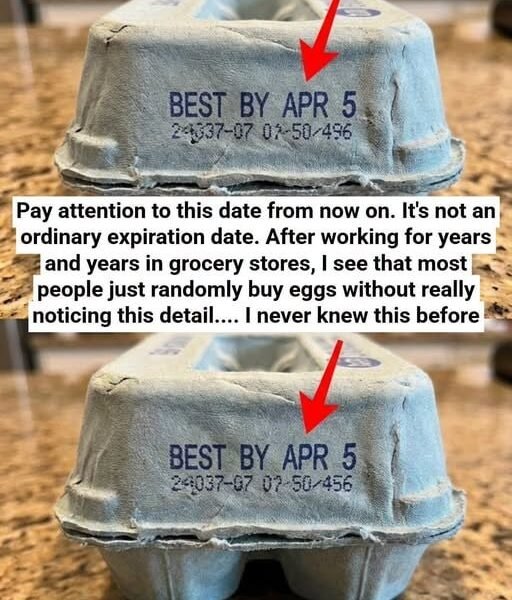
Egg cartons include several codes to help manufacturers, distributors, retailers, and food safety officials identify where and when the eggs were processed. These numbers improve traceability and quality control throughout the food supply chain.
3. What is the difference between the packing date and the Best By date?
The packing date indicates when the eggs were processed and packed, often shown as a three-digit Julian date. The Best By date is the manufacturer’s recommendation for peak quality when the eggs have been stored properly.
4. Should I wash eggs before storing them?
No. In the United States, commercially sold eggs are already cleaned before reaching grocery stores. Washing them again may remove their natural protective layer or introduce moisture that could increase the risk of contamination. If an egg becomes dirty after purchase, wash it immediately before using it rather than before storage.
5. Where should eggs be stored in the refrigerator?
The best place to store eggs is on an interior shelf where the temperature remains consistent. Avoid storing eggs in the refrigerator door because frequent opening and closing exposes them to greater temperature fluctuations.
6. Can eggs be frozen?
Eggs should not be frozen in their shells. However, cracked eggs can be beaten and frozen in airtight containers for later cooking or baking.
Simple Tips to Keep Eggs Fresh Longer
- Refrigerate eggs promptly after purchasing them.
- Keep eggs in their original carton to reduce moisture loss and help prevent them from absorbing odors from other foods.
- Store cartons away from foods with strong odors such as onions or garlic.
- Avoid leaving eggs at room temperature for extended periods.
- Handle eggs gently to reduce the risk of cracks.
- Use older eggs first while keeping track of purchase dates.
Why Understanding Egg Carton Labels Matters
Knowing how to read an egg carton can help you make smarter shopping decisions, reduce unnecessary food waste, and better understand the information provided by egg producers.
Although the printed numbers may seem confusing at first, they serve practical purposes related to food safety, inventory management, and product traceability. Learning the difference between a Best By date, a packing date, and internal production codes allows consumers to evaluate egg freshness with greater confidence.
Rather than discarding eggs solely because of a printed date, consider the full picture—including proper refrigeration, the condition of the shell, and the egg’s appearance and odor after cracking. Combining these observations with the information on the carton provides the most reliable approach.
Final Thoughts
The next time you pick up a carton of eggs, take a closer look at the information printed on the package. Those dates and numbers aren’t mysterious codes—they’re useful tools that provide insight into how the eggs were processed, packed, and labeled.
Understanding what the Best By date means, recognizing the purpose of Julian dates and plant codes, and following proper storage practices can help you enjoy better-quality eggs while minimizing unnecessary waste.
Whether you’re preparing breakfast, baking desserts, or cooking family meals, a few moments spent reading the carton can make you a more informed shopper.
For full cooking steps, turn to the next page or click the Open button (>) and don't forget to SHARE with your Facebook friends.
