
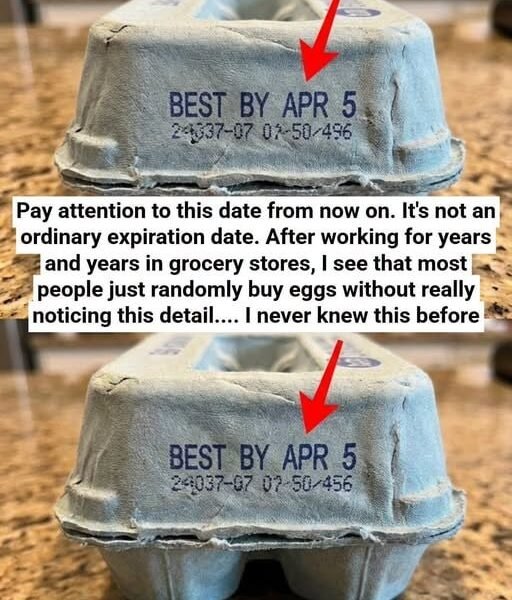
Discover what the numbers on your egg carton really mean. Learn about Best By dates, Julian dates, plant codes, egg freshness, storage tips, and how to choose the freshest eggs every time.
Most shoppers grab a carton of eggs without giving much thought to the information printed on the package. While nearly everyone checks the price or the size of the eggs, far fewer people understand what the printed dates and numbers actually mean. Those seemingly random codes can tell you far more than just when the eggs are expected to taste their best.
If you’ve ever wondered why one carton says “Best By”, another includes a long string of numbers, and some cartons have mysterious three-digit codes, you’re not alone. Understanding these markings can help you choose fresher eggs, store them properly, reduce food waste, and make more informed purchasing decisions.
Contrary to many viral social media posts, the information printed on an egg carton isn’t a hidden secret. However, many consumers simply don’t know what each code represents. Learning how to read an egg carton is surprisingly easy once you know what to look for.
This guide explains everything you need to know about egg carton labels, including:
- What the “Best By” date really means.
- How eggs are dated before they reach grocery stores.
- What the three-digit Julian date represents.
- How plant identification numbers work.
- How long eggs remain safe after the printed date.
- Simple ways to test egg freshness at home.
- The best methods for storing eggs safely.
Why Every Egg Carton Has Printed Numbers
Egg cartons contain several pieces of information that help consumers, grocery stores, distributors, and food safety officials track each batch of eggs. These markings make it possible to identify where the eggs were processed, approximately when they were packed, and when the manufacturer recommends using them for the best quality.
These labels are primarily designed for quality control and traceability. If a food recall ever occurs, the printed codes help identify affected products quickly and accurately.
For shoppers, these numbers provide useful information about freshness—but only if you know how to read them.
What Does “Best By” Really Mean?
The phrase “Best By” is one of the most misunderstood food labels in grocery stores.
A Best By date is not the same as an expiration date. Instead, it indicates the period during which the manufacturer expects the eggs to maintain their highest quality, including taste, texture, and overall freshness, when stored properly.
In many cases, eggs remain perfectly usable beyond the Best By date, provided they have been refrigerated continuously and show no signs of spoilage. Over time, the quality of the eggs may gradually decline, but that does not necessarily mean they become unsafe immediately after the printed date.
Because refrigeration practices vary from household to household, consumers should always evaluate eggs using common signs of freshness rather than relying solely on the printed date.
Best By vs. Expiration Date
| Label | What It Means |
|---|---|
| Best By | Recommended period for best quality. |
| Sell By | Used mainly by retailers for inventory management. |
| Expiration Date | If present, indicates the final recommended date for use according to the manufacturer or local regulations. |
Many egg cartons sold in the United States display a Best By date rather than a strict expiration date. This helps consumers understand that quality naturally changes over time, even when the product remains properly refrigerated.
What Are the Other Numbers Printed Below the Date?
Below the Best By date, you’ll often notice another sequence of letters and numbers. Although these codes may look confusing, they serve important purposes.
Depending on the producer, these codes may include:
- Production batch numbers
- Processing line identification
- Packaging time
- Facility tracking information
- Internal quality control codes
These numbers are mainly intended for manufacturers and food safety officials rather than consumers. They help identify the exact production run if questions ever arise about a particular batch of eggs.
The Julian Date: One of the Most Useful Numbers
Many cartons also display a three-digit number ranging from 001 to 365. This is known as the Julian Date, and it represents the day of the year when the eggs were packed.
For example:
- 001 = January 1
- 032 = February 1 (approximately)
- 100 = Around April 10
- 200 = Around July 19
- 365 = December 31
The Julian Date can often provide a better estimate of freshness than the Best By date because it tells you approximately when the eggs were packed rather than when the manufacturer expects peak quality to end.
For full cooking steps, turn to the next page or click the Open button (>) and don't forget to SHARE with your Facebook friends.
