What the Numbers on Your Egg Carton Really Mean

Understanding the Plant Code
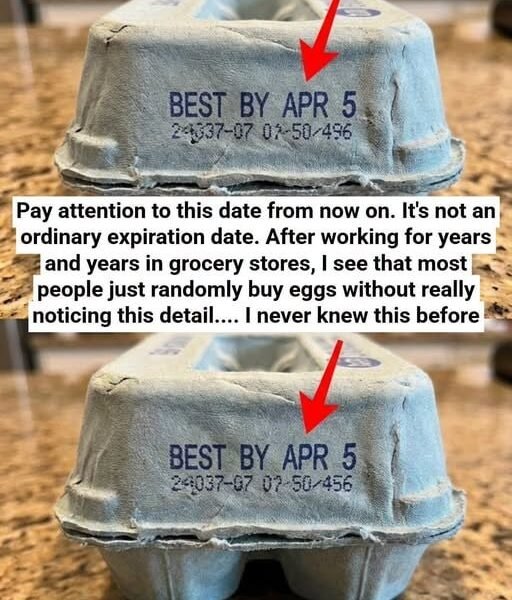
Another important marking found on many egg cartons is the plant code. This code identifies the processing facility where the eggs were cleaned, graded, and packaged before being shipped to grocery stores.
In the United States, egg processing plants are assigned unique identification numbers. If food safety officials ever need to investigate a quality issue or issue a product recall, the plant code helps them trace the eggs back to the exact facility where they were processed.
Consumers generally don’t need to memorize these codes, but understanding their purpose can provide confidence that every carton is part of a traceable food safety system.
How to Choose the Freshest Eggs at the Grocery Store
Selecting fresh eggs isn’t just about looking at the date printed on the carton. Taking a few extra moments to inspect the package can help ensure you’re bringing home the highest-quality eggs available.
When shopping for eggs, consider the following tips:
- Compare several cartons and choose one with the furthest Best By date when possible.
- Open the carton carefully to check that none of the eggs are cracked.
- Avoid cartons with moisture or leaking liquid inside.
- Make sure the carton feels cold, indicating it has been refrigerated properly.
- Choose eggs from a refrigerated display rather than those left sitting outside a cooler.
Cracked eggs are more vulnerable to bacteria entering through the damaged shell, so it’s always best to leave damaged cartons on the shelf.
How Long Do Eggs Stay Fresh?
Freshness depends on several factors, including how quickly the eggs were refrigerated after processing and whether they remain refrigerated throughout transportation and storage.
Properly refrigerated eggs often maintain good quality for weeks after packing. While quality naturally declines over time, refrigeration greatly slows this process.
Instead of relying only on the printed date, always inspect eggs before cooking. If an egg looks or smells unusual after cracking, it should be discarded.
The Water Test: A Simple Freshness Check
One of the best-known methods for checking egg freshness is the water test, sometimes called the float test.
To perform this test:
- Fill a bowl with cold water.
- Gently place the egg into the bowl.
- Observe how it behaves.
| Egg Position | What It Generally Indicates |
|---|---|
| Lays flat on the bottom | Very fresh. |
| Stands upright but remains on the bottom | Older but often still usable. |
| Floats to the surface | Likely much older and should be evaluated carefully before use. |
The reason older eggs tend to float is that moisture slowly evaporates through the shell over time, allowing a larger air pocket to develop inside the egg.
While the float test can provide useful information about age, it should not replace common sense. Always crack an egg into a separate bowl and check its appearance and smell before cooking.
Signs That an Egg May No Longer Be Good
Rather than relying only on printed dates, it’s important to recognize signs that an egg may no longer be suitable for use.
Discard an egg if you notice:
- A strong unpleasant odor after cracking.
- Visible mold on the shell.
- A cracked shell that has leaked for an unknown period.
- An unusual appearance that suggests spoilage.
A fresh egg should have little to no odor when opened. If it smells unpleasant immediately after cracking, it is best not to consume it.
Common Myths About Egg Carton Dates
Myth 1: Best By Means the Eggs Expire That Day
This is one of the most common misconceptions. A Best By date is primarily a quality recommendation rather than an exact safety deadline.
Myth 2: Every Number Printed on the Carton Is a Secret Freshness Code
Many viral posts claim that every printed number reveals hidden information. In reality, some numbers simply help manufacturers manage production and product tracking.
Myth 3: Brown Eggs Stay Fresh Longer Than White Eggs
Shell color depends on the breed of the hen and does not determine freshness or nutritional value.
Myth 4: Floating Eggs Are Always Unsafe
A floating egg is generally older because it contains a larger air cell, but floating alone does not automatically determine whether an egg is unsafe. Additional inspection is always recommended.
For full cooking steps, turn to the next page or click the Open button (>) and don't forget to SHARE with your Facebook friends.
