
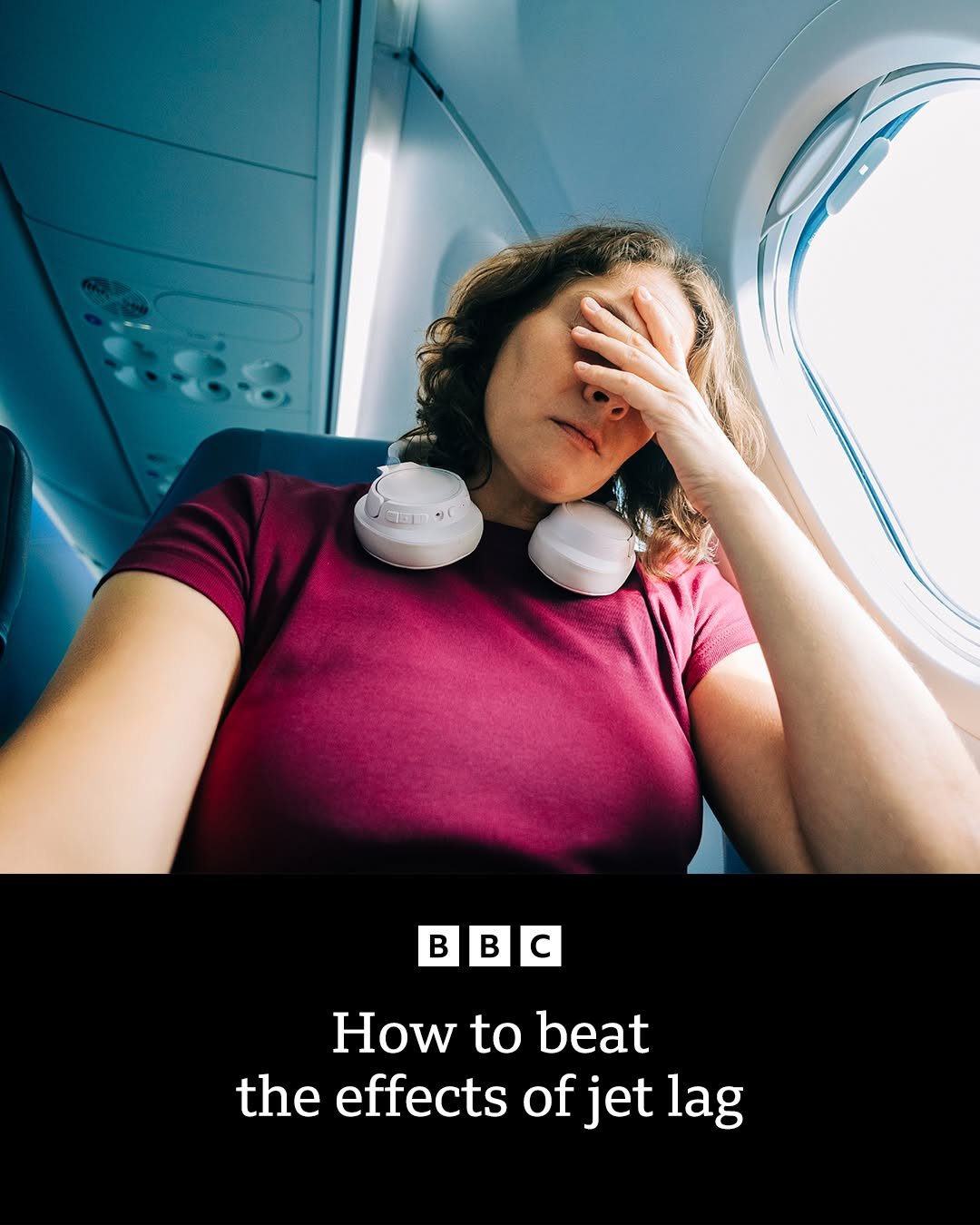
Jet lag is an often-unavoidable effect of long-haul travel, and it has several effects on the human body. Here's how to limit the worst effects.
Perhaps we shouldn't be surprised that flying halfway around the world faster than our grandparents could have dreamt of leaves us feeling terrible.
The most obvious symptom of jet lag is fatigue. Anyone who's taken the red eye from the US to Europe and then attempted to stay awake at work the next day will know all about it. Then in the middle of the night your body clock thinks it's time to play and despite your fatigue, you are now wide awake.
But of course jet lag is not only about feeling exhausted. No, it has profound effects on the body – putting stress on your cells and organs, disrupting cell repair and altering liver and kidney function. You might suffer from headaches and sore muscles. Disruption to your digestion can lead to nausea, diarrhoea or constipation. Your mind is affected too, with brain fog making it hard to concentrate and easy to forget things. All of this might be accompanied by a sense of irritability or apathy.
So what can you do to keep the worst effects of this jet set lifestyle at bay?
