
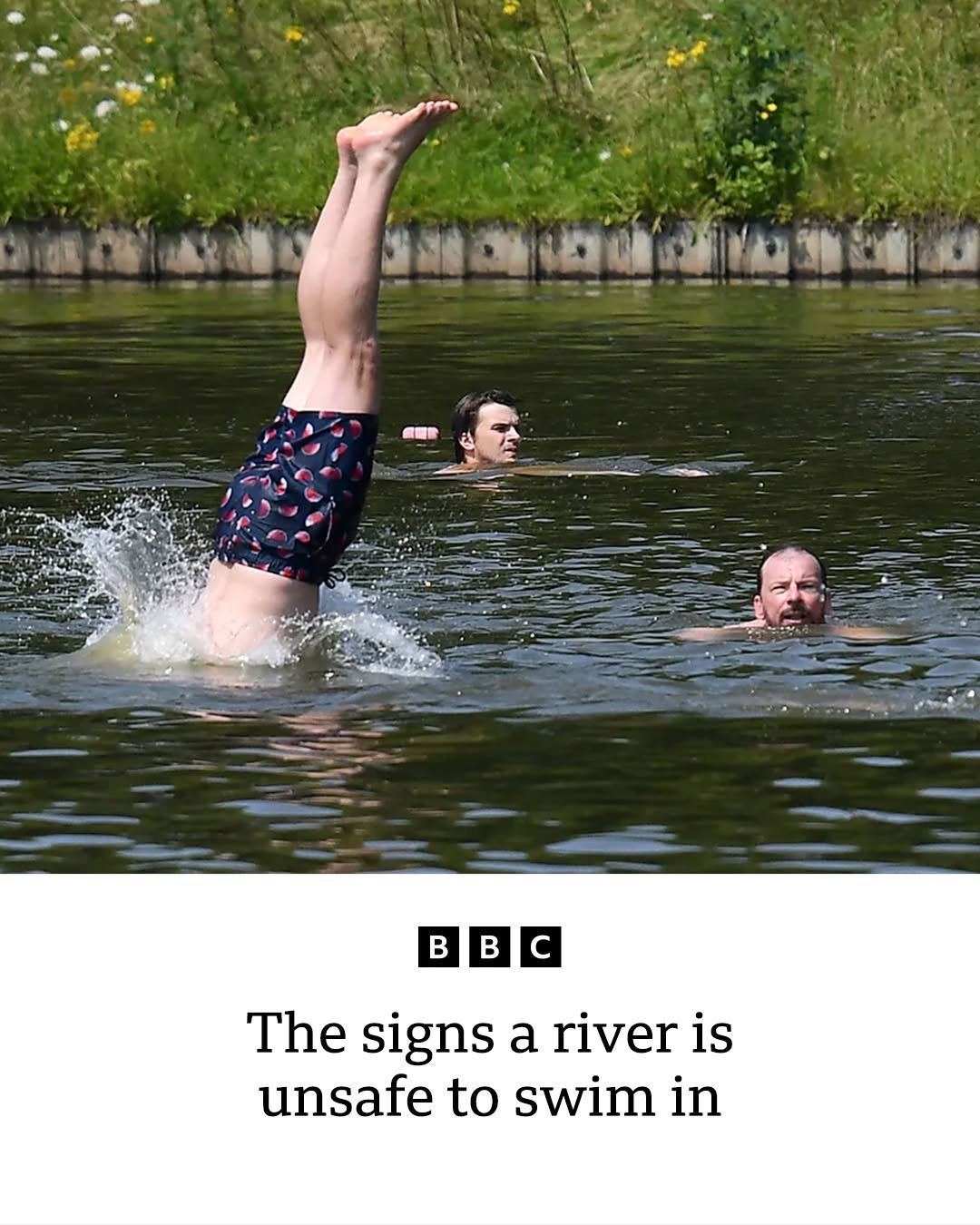
Swimming in rivers and lakes is booming, but heavy rain, sewage overflows and farm runoff can lead to disease outbreaks. Here's how to spot when the risks to health are highest.
On a heat‑bleached Saturday, a line of swimmers waits by a London slipway, dry robes flapping, phones glowing in their hands. A pollution app shows an amber warning for the tidal Thames River. Some people shrug and put their phones aside before wading into the water despite the waiting sewage, joking about getting "a bit of vitamin S".
Others, more cautious, pause. They sniff the river, think about the storm that hammered the city the night before, and decide to sit this one out.
Open‑water swimming, also known as wild swimming, have boomed in countries from the UK and the US to Australia in the past decade, fuelled by social media, urban "blue space" campaigns and a search for low‑cost ways to feel better in difficult times. Studies suggest that spending time in or near natural water is associated with better mental health and lower stress, even after accounting for exercise and income. (Read more about the surprising benefits of blue spaces.)
But with health authorities regularly issuing warnings about disease and pollution lurking in lakes and rivers, there are health risks associated with going for a dip too. So how safe is wild swimming really? And are there ways to judge for yourself whether it's a good idea to get in?
