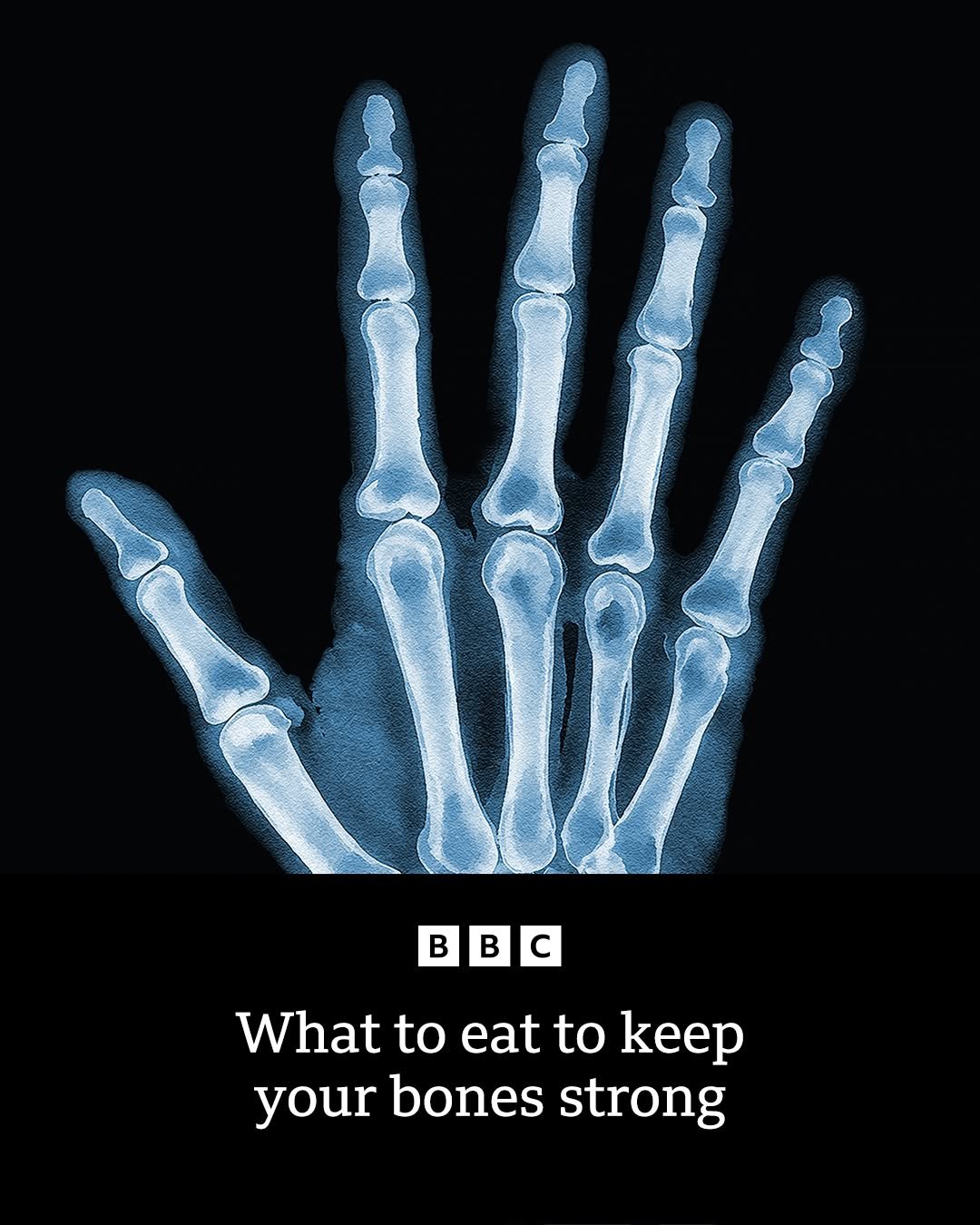
We all need to start thinking about our bone health. Here's what to eat

Chia seeds

Chia seeds are an excellent source of calcium, magnesium and phosphorus, and we only need a small amount to get numerous nutrients. One tablespoon contains 95mg of calcium.

They are also rich in omega-3 fats, which help reduce inflammation. This is particularly important, because chronic inflammation can cause the body to break down old bone tissue faster than it can rebuild it. Over time, this imbalance can increase the risk of osteoporosis. In animal research, rats fed chia seeds for over a year had better bone mineral content than those on a standard diet. While the findings are promising, more research is needed to understand if the same effect would occur in people.

Dried fruit like prunes and figs

You may not immediately think of dried fruit when it comes to bone health, but foods such as figs and apricots are rich in calcium – two dried figs contain about 100mg of calcium. Fresh fruit can also be a source, with one orange containing about 50mg.

Figs and apricots also contain magnesium, which helps support bone formation and mineral balance. Additionally, many fruits are rich in polyphenols, which are natural plant compounds with antioxidant and anti-inflammatory properties, which may help to slow bone breakdown.

One randomised control trial found that women who ate 50g of prunes daily for one year experienced less bone loss than those who didn't consume the fruit, while a review study found that higher fruit and vegetable intake was associated with higher bone mineral density and a lower risk of fractures.

Recommended foods

Calcium: Milk, yoghurt, cheese, kale, collard greens, almonds, tinned sardines (with bones)

Vitamin D: Salmon, mackerel, tuna, egg yolks

Magnesium: Spinach, okra, potatoes, sweet potatoes, raisins

Vitamin K: Prunes, spinach, brussels sprouts, kale

Potassium: Papaya, oranges, bananas, plantains, tomatoes

Canned fish

One small tin of sardines can provide as much as 30% of the calcium you need per day, (a 60g tin contains about 240mg of calcium). Canned salmon is also high in calcium, as well as being rich in protein, which plays a vital role in maintaining healthy bones, preserving muscle mass and supporting the body's repair processes.

PUBLICITÉ

For full cooking steps, turn to the next page or click the Open button (>) and don't forget to SHARE with your Facebook friends.

Leave a Reply

Your email address will not be published. Required fields are marked *