
2. Choose them based on size
Very large mussels aren't necessarily better than small ones: size can depend on the variety, production area, time of year, and the mollusk's stage of development. When purchasing, it's best to check that the shells are intact, moist, and mostly closed. There shouldn't be many broken shells, excessive cloudy liquids, or unpleasant, acidic, or ammonia-like odors. A strong seawater odor is normal; a rotting odor, however, should never be ignored. A dry, damaged, or poorly stored package should also raise suspicion.
3. Break the cold chain
After purchasing, mussels should not be left for hours in a shopping cart, car trunk, or on the kitchen counter: heat accelerates deterioration and can kill them before they've even been prepared. It's best to buy them at the end of your shopping trip, transport them quickly, and use a cooler during warmer months or for long journeys. Once they arrive home, they should be placed in the refrigerator immediately, following the instructions on the package. Mussels are a highly perishable product: ideally, they should be cooked the same day they are purchased or, at the latest, within 24 hours, refrigerated between 0 and 4°C (32 and 39°F), and always following the date and instructions on the package.
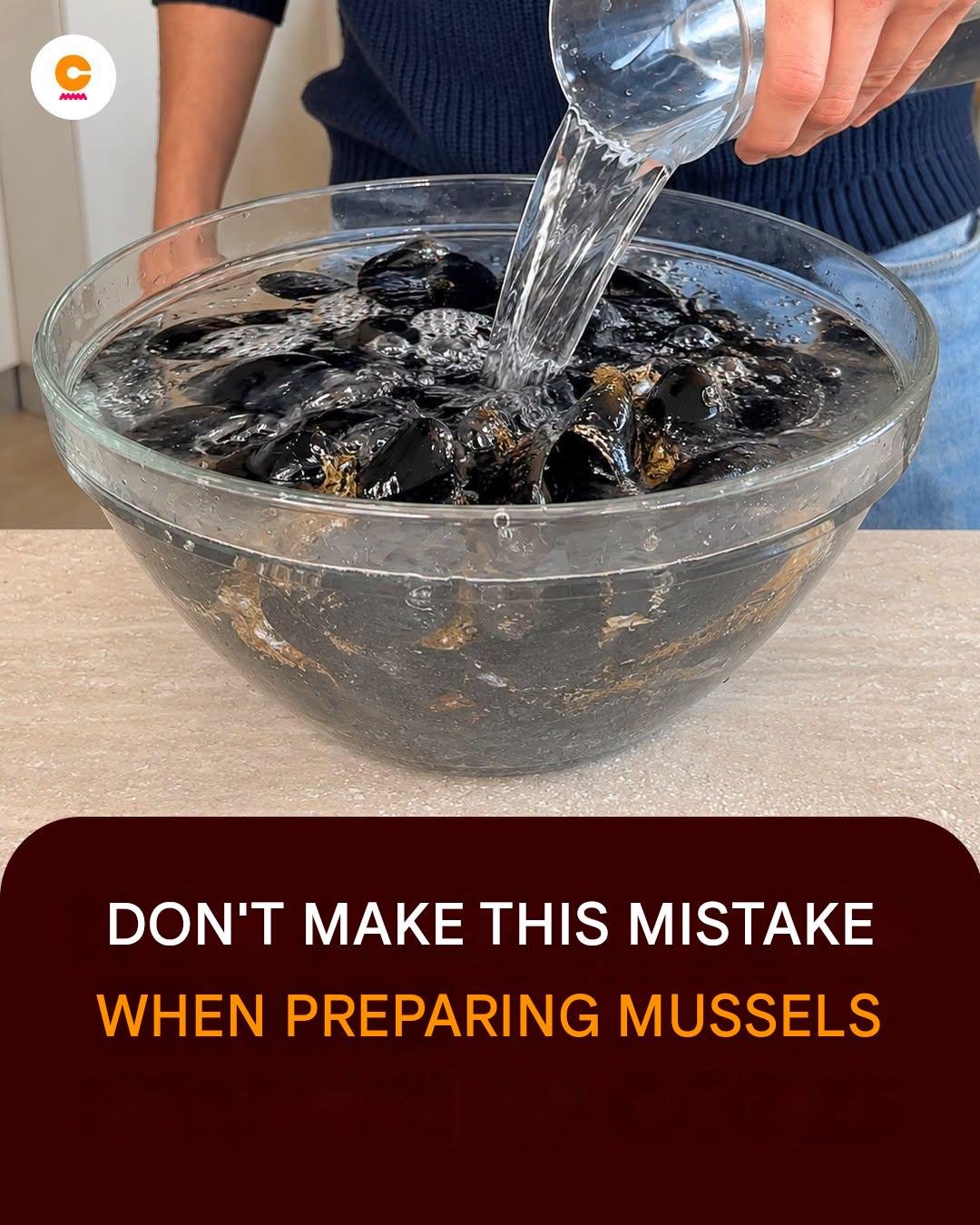
4. Store them in water
Mussels are still alive and need to breathe: they should therefore not be sealed in a completely airtight container or left immersed in a basin full of water. Freshwater is unsuitable for marine mollusks and can weaken or kill them, but even homemade saltwater immersion is not an effective preservation method and does not make mussels safer. What to do? Mussels can survive relatively short periods thanks to the liquids they contain: it is therefore best to keep them in their original packaging or place them in an open container, covered with a clean, slightly damp cloth.
For full cooking steps, turn to the next page or click the Open button (>) and don't forget to SHARE with your Facebook friends.
