Open water swimming: How safe is it?

 Getty Images
Almost two centuries ago, hot weather combined with a seriously polluted Thames to create a stench so nauseating it became known as the "Great Stink". The public outrage over the smell led to reforms including a new sewage system for London.
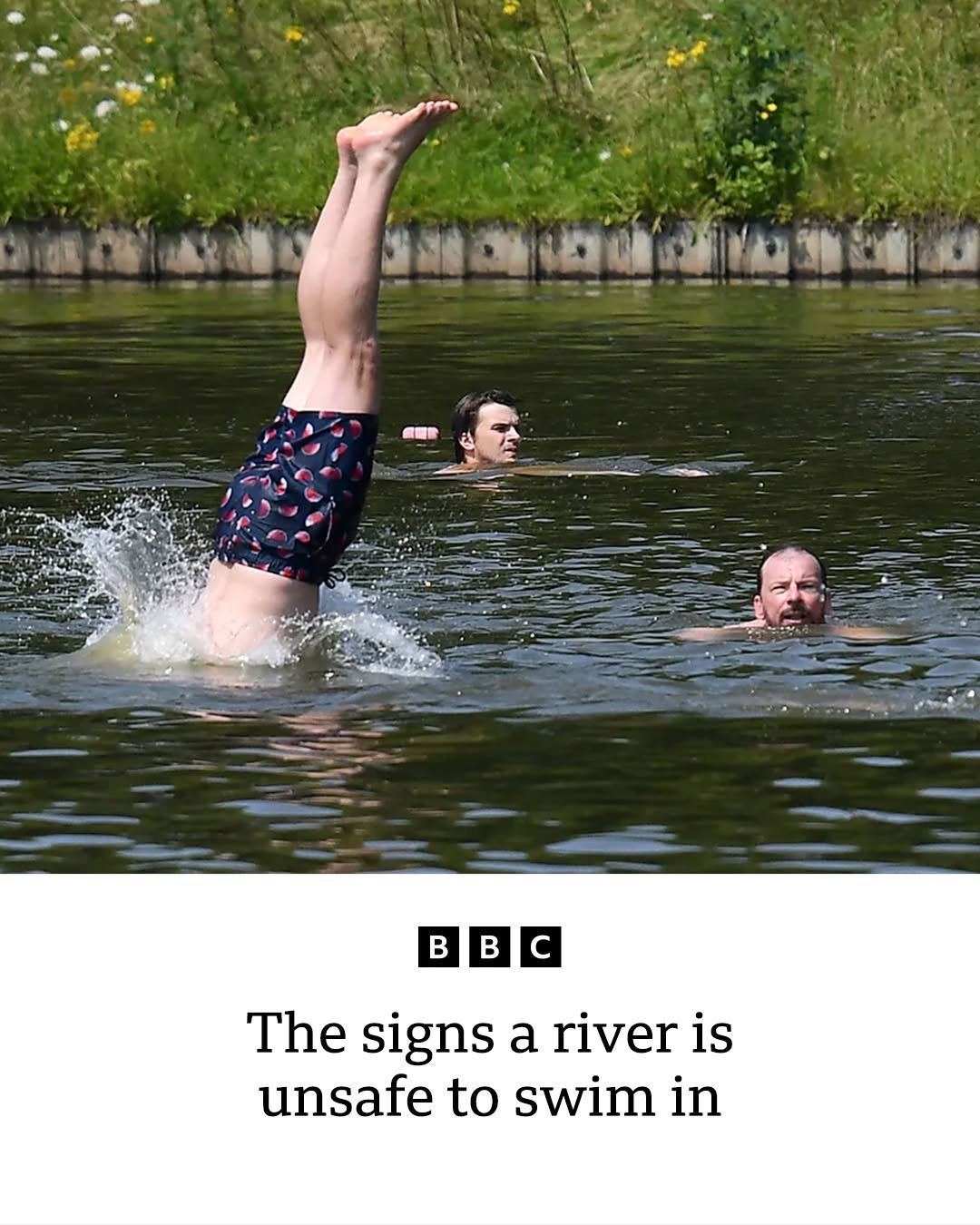
These days, the river is busy with the bright tow‑floats and bobble hats of swimmers. Similar scenes play out along revived rivers from the Seine to the Danube and the Hudson. In Basel, Switzerland, some companies even give new employees "wickelfisch" – a fish shaped swim bag that locals use while swimming in the Rhine.
Rivers, once treated as open sewers, are now increasingly seen as clean and swimmable. Paris has invested about €1.4bn (£1.2bn/$1.6bn) in cleaning up the Seine, building a vast underground basin at Austerlitz that can hold about 50,000 cubic metres – roughly the volume of 20 Olympic pools – of stormwater instead of dumping it straight into the river.
