
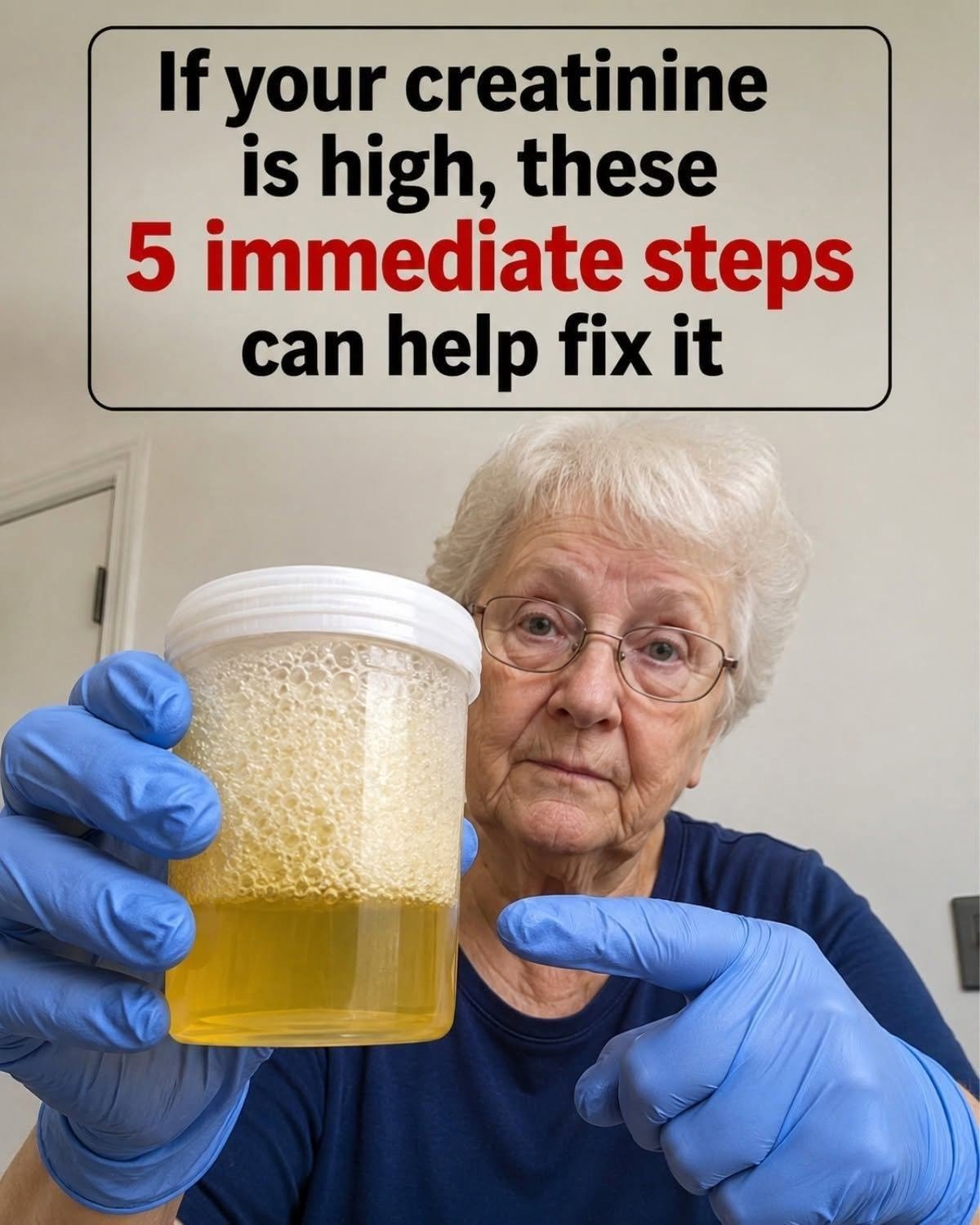
Tips for Healthy Hydration
- Drink water regularly throughout the day.
- Increase fluid intake during hot weather or exercise unless your healthcare provider has advised you to limit fluids.
- Check the colour of your urine—pale yellow usually indicates good hydration.
People with advanced kidney disease or heart failure should follow their doctor’s advice regarding fluid intake.
2. Control Your Blood Pressure
High blood pressure is one of the leading causes of kidney damage.
Over time, elevated blood pressure can damage the tiny blood vessels inside the kidneys, reducing their ability to filter waste effectively.
Ways to Support Healthy Blood Pressure
- Reduce salt intake.
- Exercise regularly.
- Maintain a healthy body weight.
- Avoid smoking.
- Take prescribed blood pressure medication as directed.
Keeping blood pressure within the recommended range helps protect kidney function over the long term.
3. Choose a Kidney-Friendly Diet
Your diet has a significant impact on kidney health.
For people with reduced kidney function, consuming excessive amounts of sodium or protein may increase the workload on the kidneys.
Kidney-Friendly Foods
- Fresh vegetables
- Fruits
- Whole grains
- Beans and legumes (when appropriate)
- Healthy fats such as olive oil
- Fish in moderation
- Low-sodium meals
Limit:
- Processed foods
- Fast food
- Processed meats
- Salty snacks
- Sugary drinks
Dietary recommendations vary depending on your kidney function, so speak with a healthcare professional or registered dietitian before making major dietary changes.
4. Manage Blood Sugar Levels
Diabetes is one of the most common causes of chronic kidney disease.
Persistently high blood sugar can damage the delicate filtering units inside the kidneys over time.
Healthy Habits
- Eat balanced meals.
- Limit added sugars.
- Choose high-fibre carbohydrates.
- Stay physically active.
- Take diabetes medication as prescribed.
- Monitor blood sugar regularly if recommended.
Good diabetes management can significantly reduce the risk of kidney complications.
5. Review Your Medications
Some medications can affect kidney function, particularly when taken frequently or in high doses.
Examples include:
- Certain pain relievers (NSAIDs)
- Some antibiotics
- Certain imaging contrast dyes
- Some herbal supplements
Never stop a prescribed medication without consulting your healthcare provider. Instead, review all prescription medicines, over-the-counter drugs, vitamins, and supplements with your doctor or pharmacist to ensure they are appropriate for your kidney health.
Lifestyle Habits That Support Healthy Kidneys
In addition to the five steps above, these habits may help maintain healthy kidney function:
- Exercise most days of the week.
- Avoid smoking.
- Limit alcohol consumption.
- Maintain a healthy weight.
- Get enough sleep.
- Attend regular medical check-ups.
- Follow treatment plans for conditions such as diabetes and high blood pressure.
Symptoms of Kidney Problems
Early kidney disease often causes few or no symptoms.
As kidney function declines, some people may experience:
- Fatigue
- Swelling in the ankles or feet
- Changes in urination
- Loss of appetite
- Nausea
- Muscle cramps
- Difficulty concentrating
- Itchy skin
If you notice these symptoms, especially alongside abnormal blood test results, seek medical advice promptly.
When Should You See a Doctor?
Contact a healthcare professional if:
- Your creatinine levels remain elevated.
- You develop swelling or persistent fatigue.
- You notice blood in your urine.
- Your urine output changes significantly.
- You have uncontrolled diabetes or high blood pressure.
- You experience severe pain in your side or lower back.
Early evaluation can help identify the underlying cause and guide appropriate treatment.
For full cooking steps, turn to the next page or click the Open button (>) and don't forget to SHARE with your Facebook friends.
