
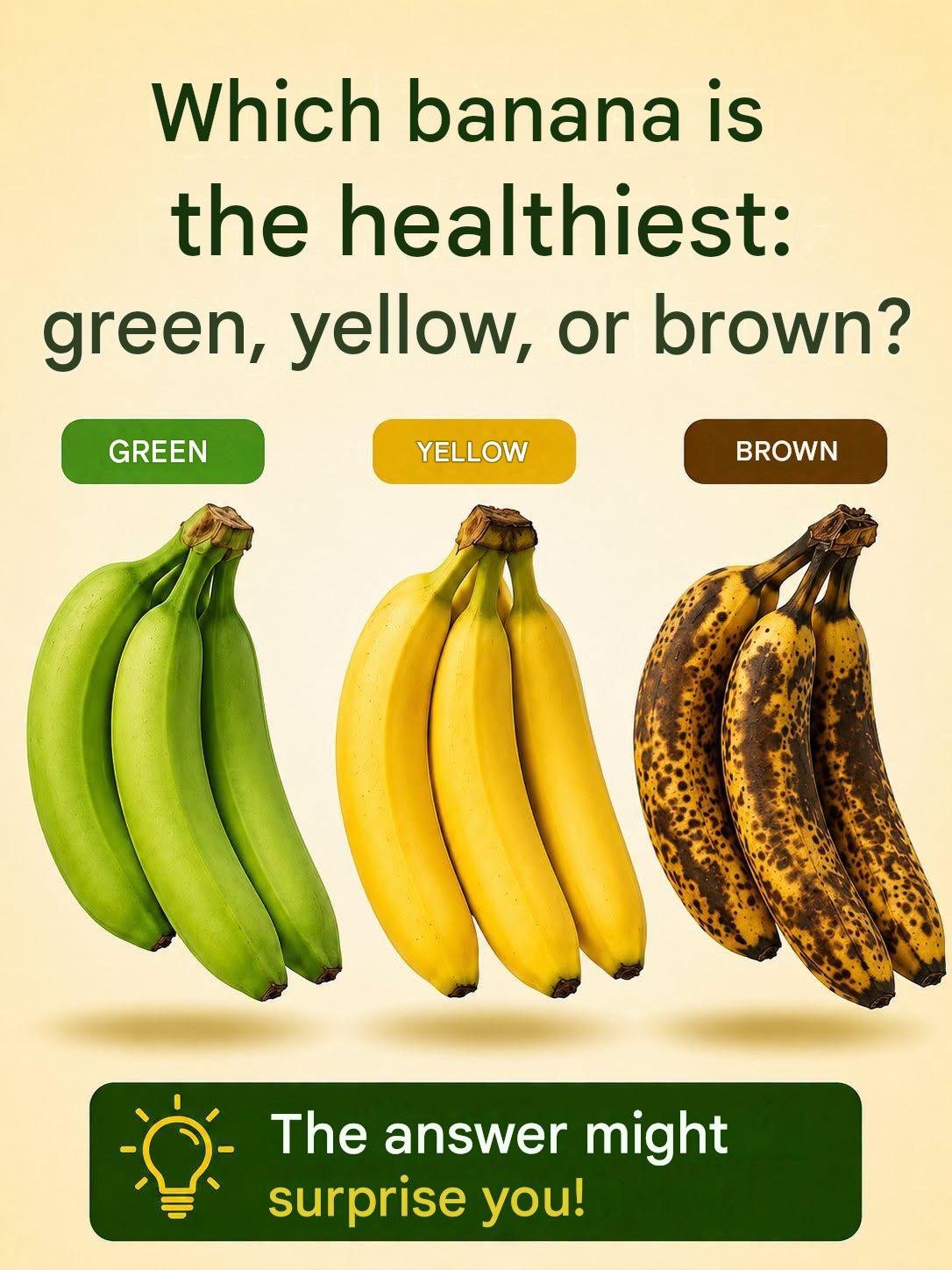
What really changes when a banana ripens
It all comes down to the chemical transformation that occurs over time. As it ripens, the resistant starch in a green banana gradually converts into natural sugars—glucose, fructose, and sucrose. The result: the texture becomes softer, the taste sweeter, and the way our body assimilates the fruit changes completely. Three stages, three distinct nutritional profiles.
Green bananas: an ally for digestion and satiety
It's not the most glamorous fruit, that's true. Its firm texture and slightly bitter taste can sometimes be off-putting. Yet, the green banana is a hidden gem. It's packed with resistant starch, a type of fiber that escapes digestion in the small intestine and nourishes the beneficial bacteria in the colon. In practical terms? It keeps you feeling full longer, supports a healthy gut flora, and causes a much gentler rise in blood sugar. Ideal for those watching their blood sugar levels or trying to make it to lunchtime without snacking.
For full cooking steps, turn to the next page or click the Open button (>) and don't forget to SHARE with your Facebook friends.
